A Question Worth Asking
What Is Your Body Really Asking For When You Reach for Gelatin?
This guide looks at how gelatin-based habits fit into everyday routines built around collagen, satiety, and body composition — not quick fixes, just small shifts worth understanding.
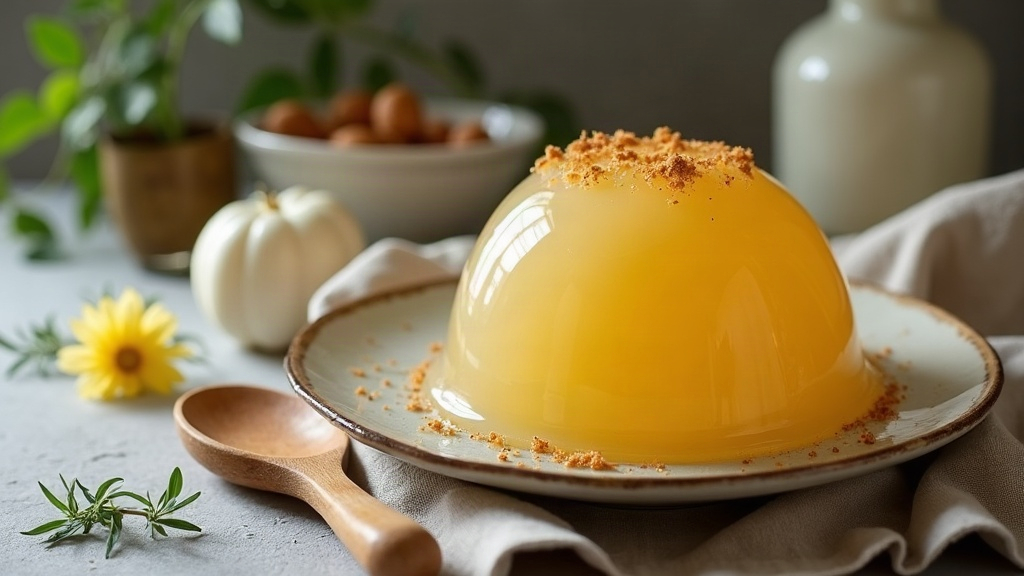
What Changes, And Why It's Easy to Miss
Have you noticed your routine doesn’t feel the same as it used to?
Collagen Naturally Declines
As the years pass, natural collagen production slows down. Many women start exploring simple, food-based habits — like recipes built around gelatin — to complement a varied diet.
Satiety Feels Different
The signals that used to say 'you're full' can feel muted or delayed, which often changes how meals are planned and portioned.
Lean Mass Needs Attention
The balance between muscle and fat tends to shift with time, and traditional dieting rarely accounts for this on its own.
Traditional Diets Don't Always Fit
One-size-fits-all meal plans often ignore how individual bodies respond to protein, structure, and consistency.
Metabolism Myths Worth Rethinking
Which of these have you heard before?
Your metabolism is fixed and there’s nothing you can do about how your body responds to food.
Metabolic rate is influenced by many factors, including muscle mass, sleep, and daily habits — not a single fixed number.
Eating less is always the answer to feeling better in your body.
Nutrient quality, protein intake, and consistency often matter as much as calorie count alone.
An ingredient or supplement can replace the need for balanced meals.
Ingredients like gelatin are typically used to complement a varied diet, not substitute it.
A Simple Framework to Explore
Where do you start when everything feels overwhelming?
Notice Your Patterns
Spend a week simply observing hunger cues, energy dips, and sleep quality without judgment.
Layer In Small Habits
Some women choose to add a protein-rich habit, like a gelatin-based routine, alongside their existing meals rather than replacing them.
Stay Consistent, Not Perfect
Small, repeated habits tend to be easier to sustain than dramatic overhauls — adjust based on how your body responds over time.
Where This Habit Comes From
Long before wellness trends, kitchens across generations relied on slow-simmered broths and gelatin-set dishes as everyday nourishment. Grandmothers didn’t think of it as a protocol — it was simply how meals were built, using what the whole animal or plant offered, including the collagen-rich parts often discarded today.
The insight isn’t that older generations had a secret formula — it’s that they treated nourishment as a daily ritual, not an occasional fix.
Six Signals Many Women Recognize
Hunger That Feels Unpredictable
Fullness cues that once felt clear can start to feel inconsistent from day to day.
Skin That Feels Less Resilient
Texture and elasticity changes are commonly discussed alongside natural collagen decline.
Joints That Feel Stiffer
Everyday movement can start to feel less fluid, especially after periods of rest.
Weight That Shifts Without Explanation
The scale can move even when eating habits haven't changed much at all.
Energy That Dips Mid-Afternoon
A steady slump around the same time each day is a pattern many women describe.
Nails That Break More Easily
Brittleness is often mentioned in the same conversations as skin and joint changes.
What Some Women Have Shared

These reflect individual experiences shared voluntarily. Individual results may vary, and these statements are not a guarantee of any particular outcome.
Common Questions, Answered Plainly
Hydrolyzed gelatin is gelatin that has been broken down into smaller components, making it easier to mix into foods and beverages while retaining its basic protein structure.
Gelatin is derived from collagen through a cooking process. They’re closely related, though they behave differently in food preparation.
No. This content is educational and focuses on habits, ingredients, and body changes — not weight-loss outcomes or guarantees.
This guide is written for women generally interested in learning more about wellness habits, without targeting any specific age group.
Many people incorporate gelatin-based foods as part of a varied diet. Speak with a healthcare professional about what fits your individual needs.
No. This content is for general educational purposes only and does not replace guidance from a qualified healthcare professional.
The full video linked on this page walks through these concepts in more depth, including how the habit fits into daily routines.
Curious Enough to See the Full Picture?
The full video breaks down these ideas in more detail — no pressure, just information worth considering.
Advertising Disclosure: This page contains sponsored content and affiliate links. We may receive compensation if you click a link or make a purchase through the links provided on this page. This helps support the content we create.
Content Disclaimer: The information provided on this page is for educational purposes only and has not been evaluated by the FDA. It is not intended to diagnose, treat, cure, or prevent any disease. Always consult a qualified healthcare professional before making changes to your diet, exercise, or wellness routine.
Results Disclaimer: Individual results may vary. Testimonials and examples shared on this page reflect personal experiences and are not a guarantee of any particular outcome for any individual.
© 2026 · All Rights Reserved